
Small Business
Common scams that target small business owners and how to spot them
- Amy Coleman
- ScamsMedia literacyTech literacy
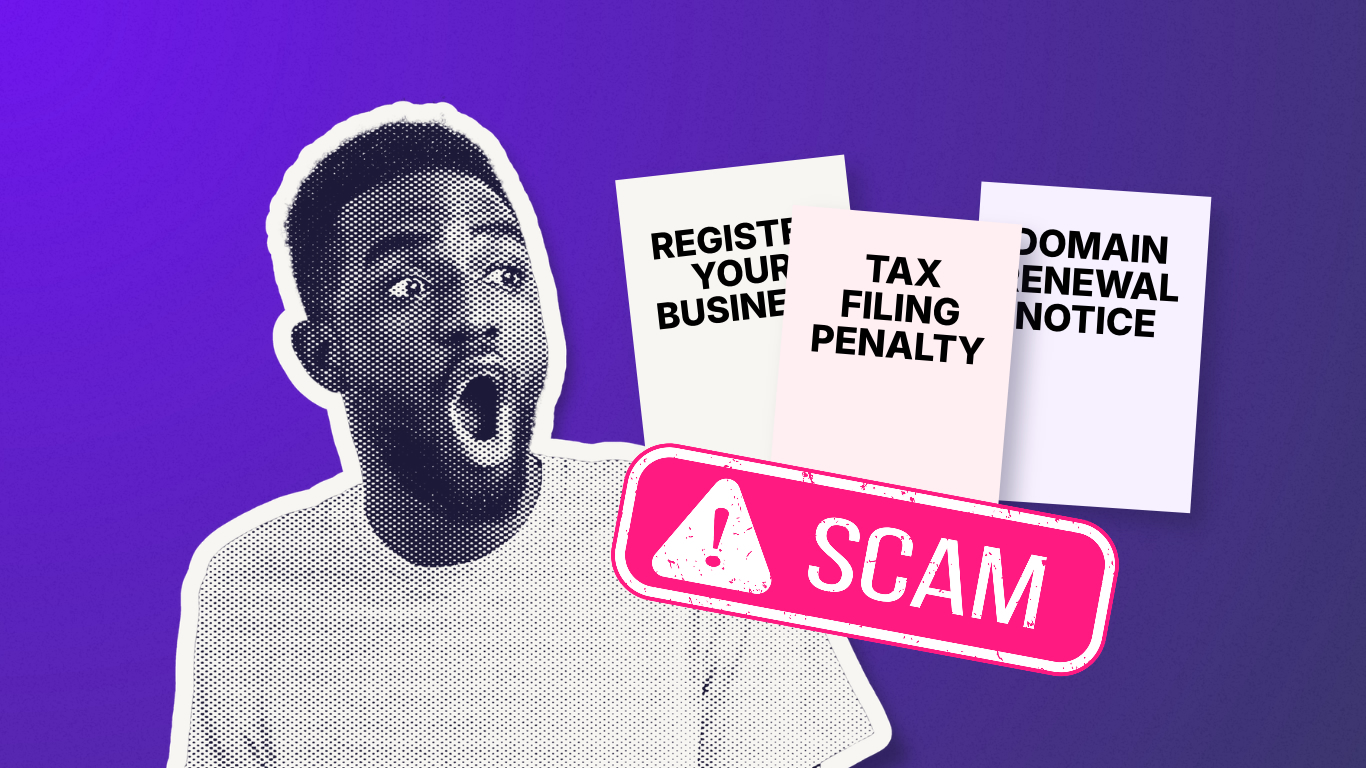
This week, we got an email offering to renew our SAM.gov registration for $500. SAM.gov is the federal system that organizations register with before they can apply for government grants and contracts, but they didn't send the email. The sender of the email was a third party service that found us through our public registration information. They were hoping that we'd follow the link and purchase a product, thinking we were paying a mandatory filing fee.
According to the General Services Administration, which runs SAM.gov, registering is always free. [1] These emails start arriving months before a registration expires and include details from the registration so they look official, but the tell is that their email address ends in a .com or other top level domain (TLD).
Real renewal notices always come from a .gov email address. [2] We know that, and so we weren't out an unnecessary $500.
It reminded us that business owners are subjected to an onslaught of spam and scams, and entrepreneurs are particularly vulnerable when they're just getting started. Running a business means putting information out in public: your address, your filings, your permit applications, your registrations, and your photos and videos.
Most of the scams hitting Worcester County businesses and nonprofits right now use that information against you. They work best when you’re stretched thin, and right now, most owners are.
So we decided to put together a post to help cover some of the most common scams and how to spot them.
What's in this post
Rising costs and constant pressure make these scams easier to fall for
76%
of small business owners say operating costs have risen faster than revenue since 2019
51%
say they're likely to sell or close within the next year due to lost business or sales
If you've been feeling pressure as a business owner, you're not alone. Worcester County was one of the Massachusetts counties where owners leaned toward closing or selling. [3] When costs keep climbing, every day is a stack of bills, deadlines, and decisions.
The constant pressure changes how people think and respond to scams. A 2025 study in Frontiers in Psychology found that time pressure made people more susceptible to online fraud, specifically fraud built around avoiding a loss. [4] A notice saying your registration will lapse, your permit will stall, or your domain will expire is exactly the kind of scam that pressure makes harder to resist.
And if you've fallen for a scam, there's nothing to be embarrassed about. It happens more often than you think. More than 60% of over 500 BBB Accredited Businesses polled said they’d been targeted by scammers, and most said attempts had increased in recent years. BBB has received more than 3,600 reports from businesses encountering scams since 2022, and the median loss for businesses who get taken by a scam is $1200.
3,600
scams reported since 2200
$1,200
median loss to reported scams
Scams will likely get worse with AI as a new blind spot
Some of the most common scams target a business owner's blind spots, which is often tech-related. Domain renewals, business listing, business registration, IT, online security, and website scams target business owners who aren't familiar with technology. With the rise of AI, things might get even worse.
In NFIB’s 2025 technology survey, 42% of small business owners said they weren’t at all familiar with AI technologies built for their operations or industry, and only 5% said they were very familiar. The same survey found that when owners bought new technology, the idea most often came from a vendor. [5]
A separate 2026 survey from the Small Business and Entrepreneurship Council found that 90% of owners felt confident they could adopt AI and digital tools. [6] The two surveys used different samples, but together they describe owners who feel ready to buy technology and often rely on the people selling it to explain it.
With so many business owners admitting that AI and technology is a blind spot, scammers are already starting to take advantage, and the potential losses could be staggering.
That's why it's important for business owners to learn how to recognize potential scams and identify promises that can't be kept.
Scams that use the information you have to make public
We're hoping that by showing you what scams look like, you'll be able to ignore them.
The most common scams try to act like they have special information about you, but actually just pulled public database information. Every scam in this section uses something you had to make public, and every one tells you that you’ll lose something if you don’t pay.
Fake state filing notices
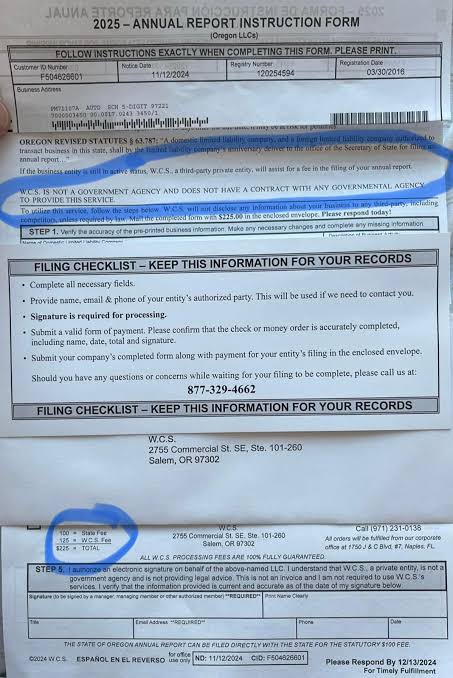
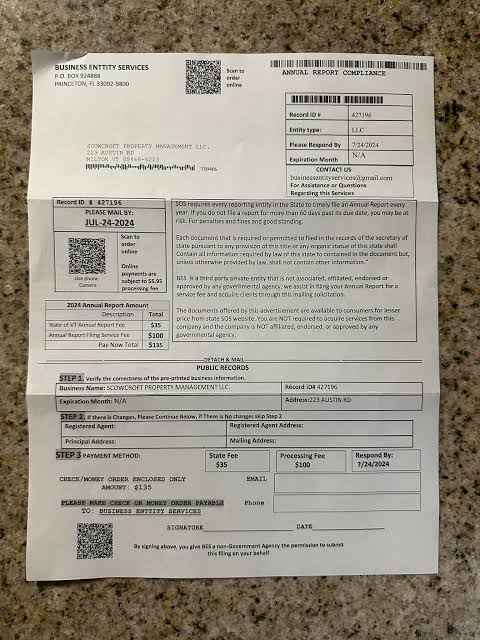
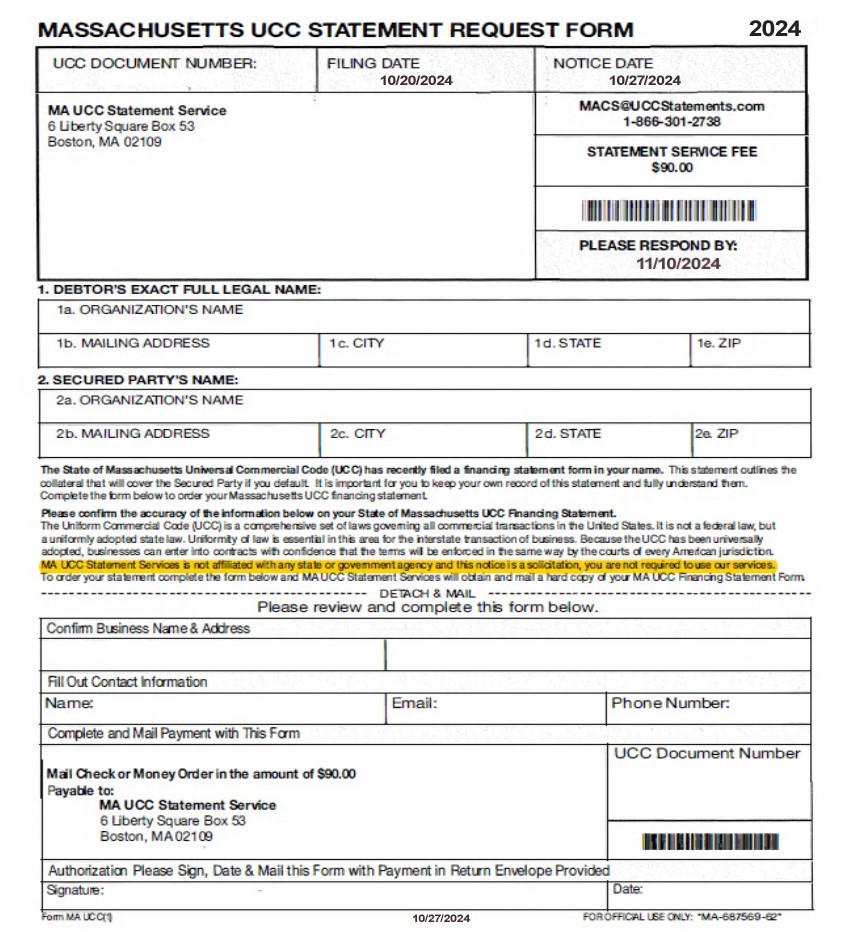
The notices above are examples from other states, but they're representative of how scammers can make their documents look like they come from official sources. Back in 2019, these scams began to circulate through Massachusetts businesses, and business owners are still encouraged to keep an eye out for them.
What happened: Groups with names like “Massachusetts Council for Corporations” and “Compliance Services” mailed Massachusetts corporations forms offering to prepare meeting minutes for a fee. The forms list the company’s real corporation number, set a short deadline, and charge a $125 “Annual Fee,” the same amount the state charges to file an annual report.
Why it’s a scam: Massachusetts corporations don’t have to file minutes with the state at all.
How to check: Real notices from the Secretary of the Commonwealth show Secretary William Francis Galvin’s name, and payment links go through a .gov address, not a .com address.
| Real notice from the state | Fake solicitation |
|---|---|
| Shows Secretary William Francis Galvin’s name | Uses an official-sounding name like “Massachusetts Council for Corporations” |
| Covers filings the state actually requires | Asks you to pay for minutes the state doesn’t require |
| Comes from the Secretary of the Commonwealth | Small print says it isn’t affiliated with any government agency |
Fake business permit and license scams
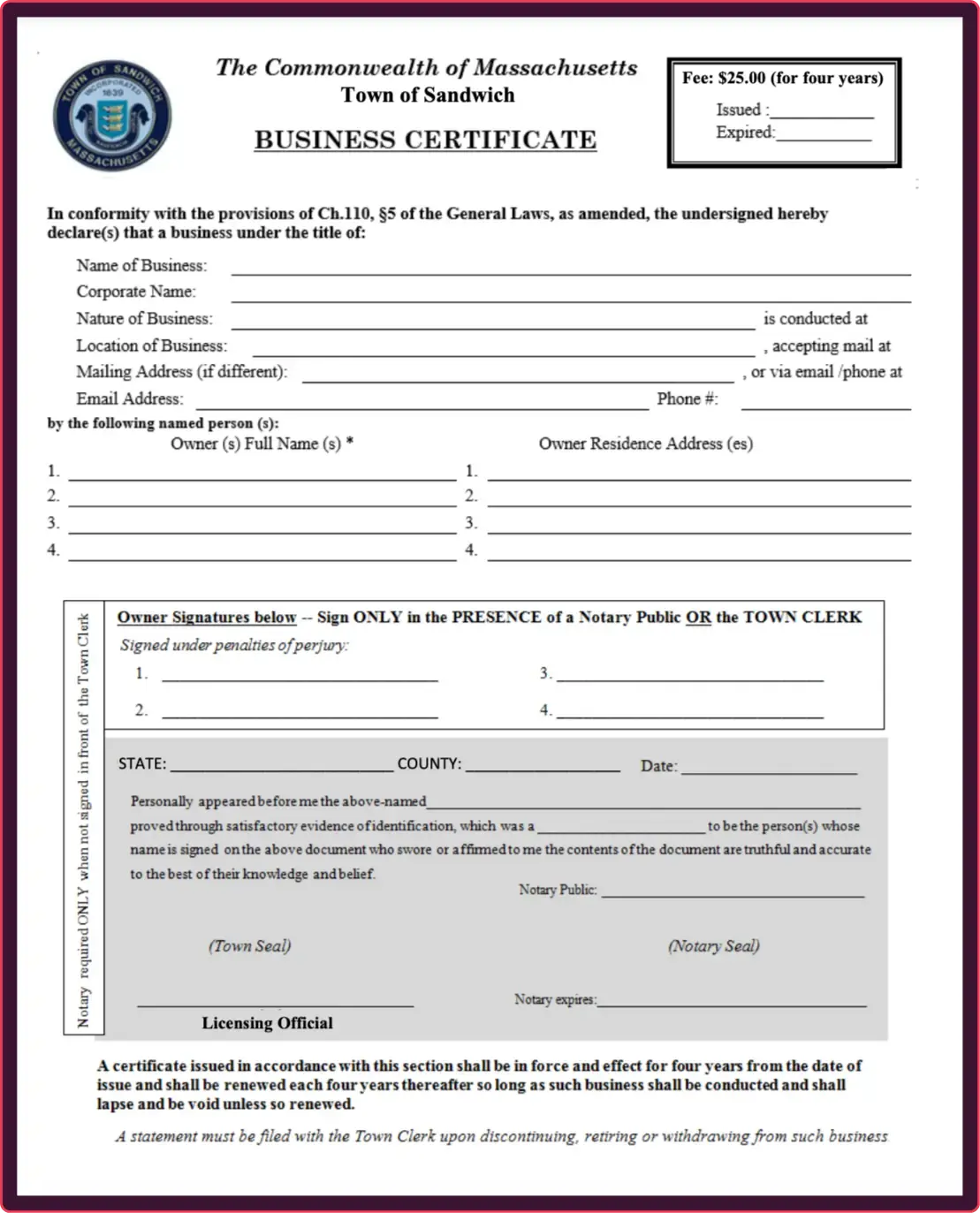
Local business scams can be even more convincing, because cities and towns are more vulnerable to being spoofed by hackers and scammers. There have been several scams targeting owners in smaller communities.
What happened: Sturbridge police warned that scammers posing as town officials were emailing business owners invoices for “application review” fees. They pulled project details from the agendas and permit documents towns are required to post publicly. Leicester and Grafton reported the same scam. [8]
Why it’s a scam: The emails insist that all communication stay on email, which police flagged as unusual.
How to check: Real messages from town staff come from the town’s own email domain, according to the Town of Concord’s warning about the same scam. [9] Call the town office using a number you look up yourself.
Fake SAM.gov renewals that require payments
You never have to pay to file or renew a SAM.gov registration if you receive grants or contracts from the federal government. So when you see any kind of renewal reminder that asks you to pay to renew, you're actually paying a third party to do it for you. They try to make it look as official as possible so that you'll hurriedly try to remain compliant and keep your vendor status.
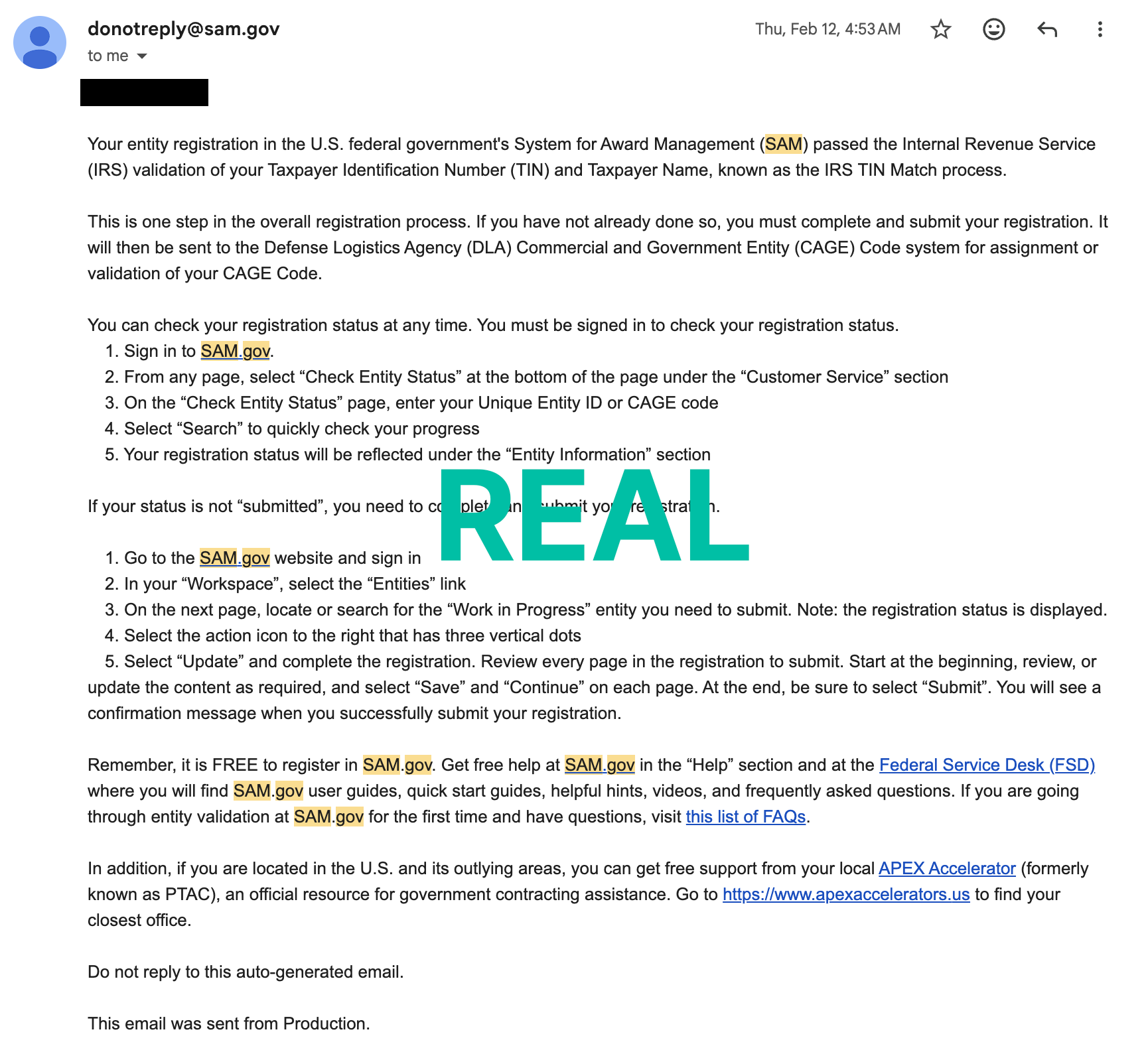
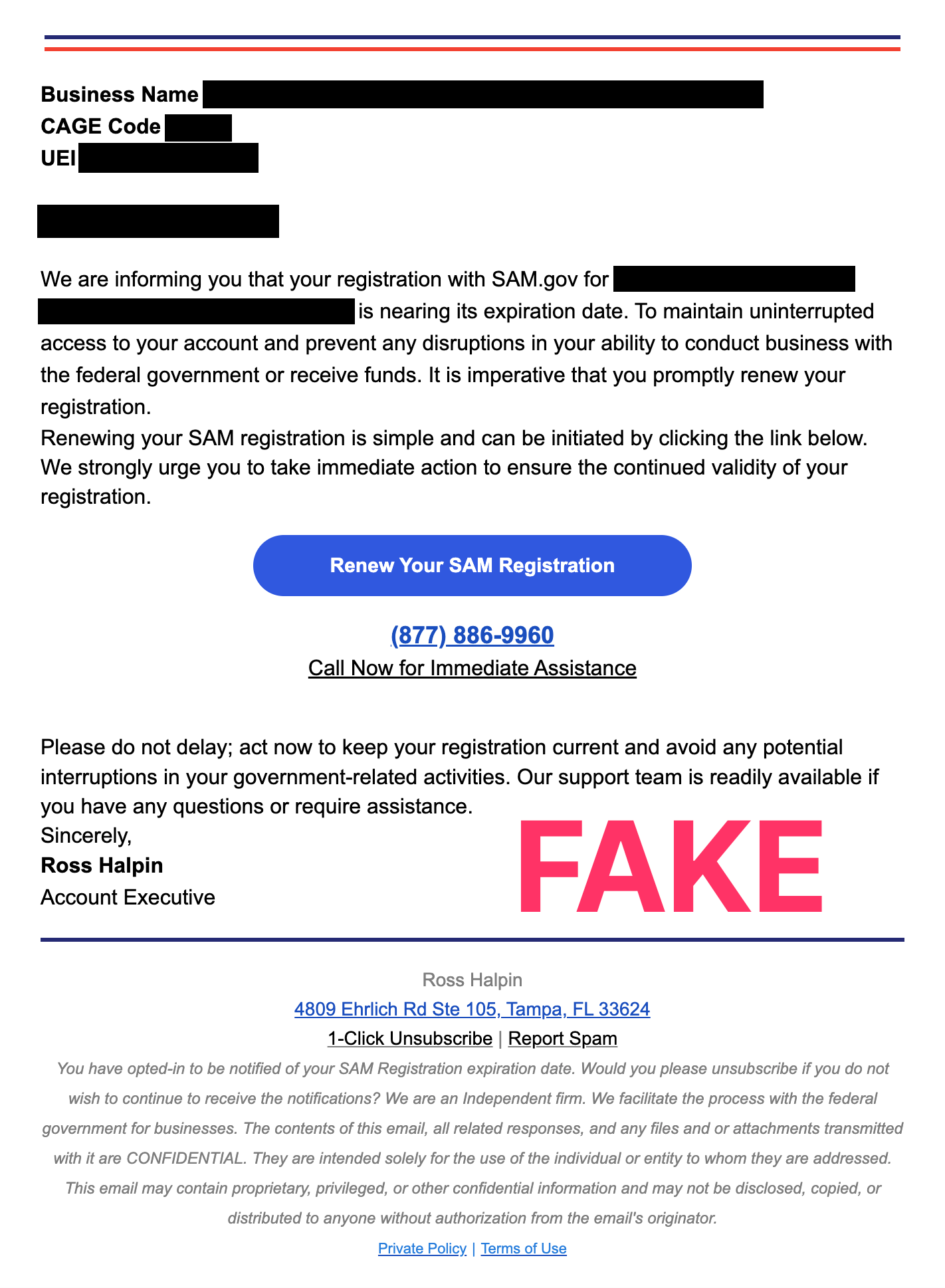
| Real SAM.gov renewal notice | Third-party renewal email |
|---|---|
| Comes from a .gov email address | Comes from a .com or other non-government address |
| Renewal is free at SAM.gov | Charges a fee (ours asked for $500) |
| Sends you to SAM.gov | Sends you to a site built to look like SAM.gov |
Copycat social media accounts that scam your customers (added to post on 11/19/2026)
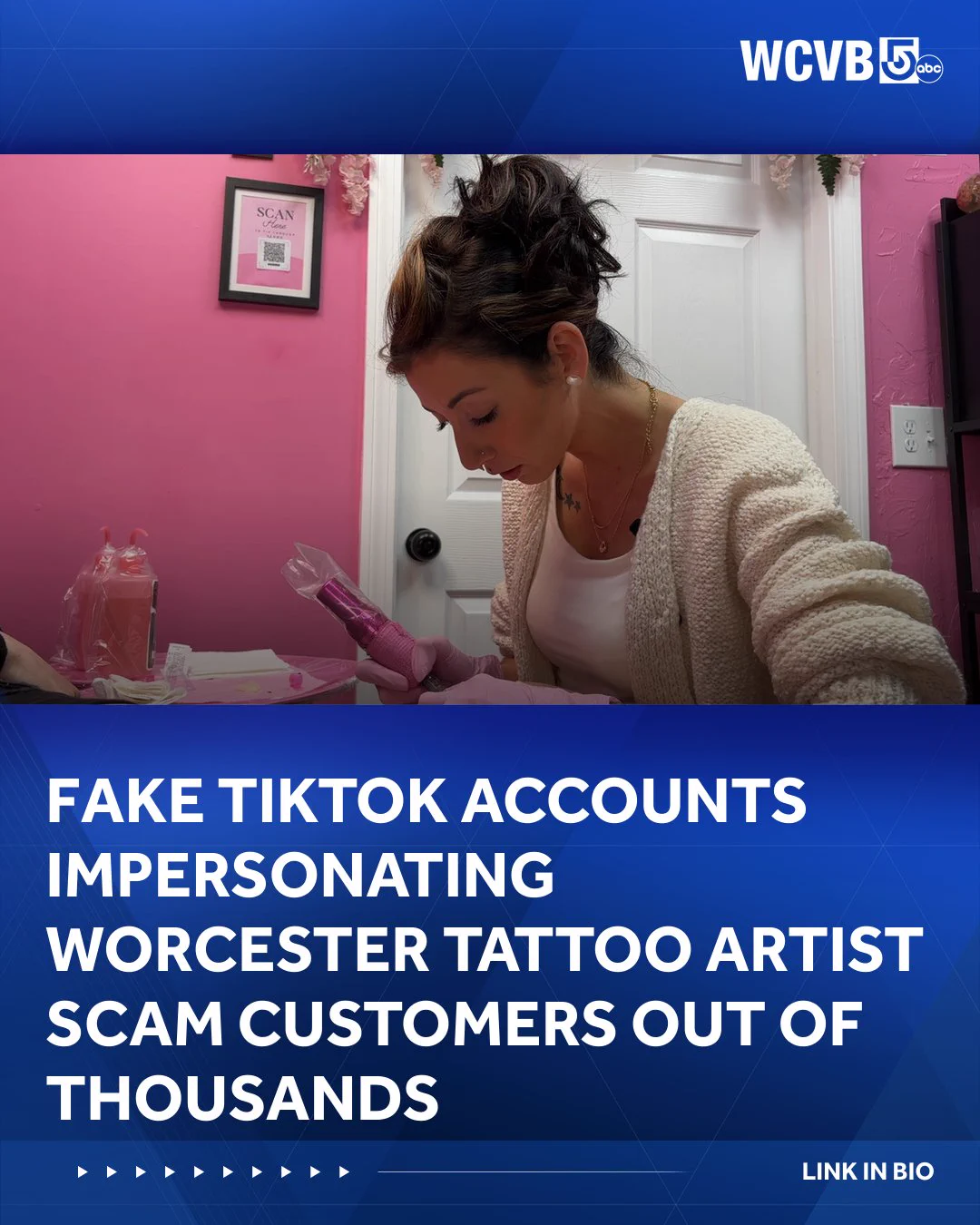
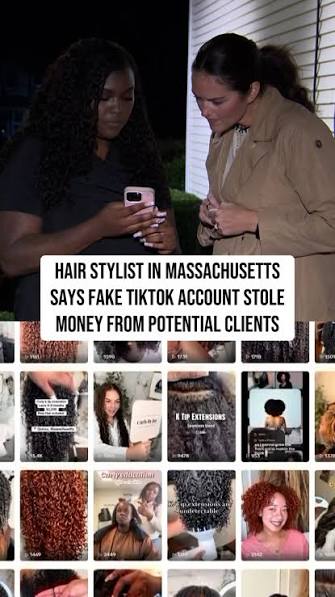
Some scams target you, but other scams target your customers by pretending to be you. It's important to make sure that all of your socials, website, and any other public-facing accounts make your payment and deposit terms clear and visible. This makes it easier for your customers to know that they're actually doing business with you.
What happened: WCVB reported this month that fake TikTok accounts built from a Worcester tattoo artist’s own videos took appointment deposits from her clients. After TikTok removed them, another fake account appeared less than two weeks later. [10] wcvb
Why it works: The artist said the fake accounts show up most when she opens her books for new appointments. [10] Scammers copy what you post publicly and time it to when your customers are ready to pay. wcvb
How to check: Tell customers exactly where and how you take deposits, and repeat it every time you open bookings. This applies to any business that takes deposits, including salons, barbers, caterers, photographers, and contractors.
Fake domain and advertising bills
What happened: BBB logged more than 40 reports of fake domain offers in its 2025 business scam study, including a notice formatted like a late bill for a domain the owner already had. A wedding planner was also billed for online ads she never ordered. [11]
How to check: Compare any bill against the accounts you actually set up.
Scams that promise the results you’re worried you can’t get on your own
The scams in the last section push you to avoid a loss. These scams promise a gain: more customers, better rankings, or more income. They work less through pressure and more through how hard it is to judge tech and marketing services from the outside.
25%
of small business owners using SEO services said they weren’t sure what they were paying for
In a 2019 survey of 1,200 U.S. small business owners, a quarter said they weren’t sure what they were really paying for with SEO, half said they needed more training to fully benefit from it, and 65% had worked with more than one SEO provider. [12] When the work is hard to evaluate, a guarantee sounds like protection.
Guaranteed rankings and AI placement
What happened: In 2022, Google sued a company it says called small business owners pretending to work for Google, charged about $99 to verify Business Profiles that Google provides for free, and promised top search placement for money. [15]
Why it’s a scam: Google says no one can guarantee a #1 ranking on Google. [13] In June 2026, Google added that services promising better placement in AI answers (often sold as “AEO” or “GEO”) can’t guarantee results, and that third-party tools have no access to Google’s internal ranking data. [14]
How to check: Your Google Business Profile is free to claim and keep. Anyone guaranteeing a ranking via SEO, AEO, or GEO is promising something nobody controls.
AI tools that promise income
What happened: The FTC sued Air AI in August 2025, alleging it sold AI tools and coaching to small businesses with claims they’d earn back tens of thousands of dollars within 30 days, plus refund guarantees it didn’t honor. Some owners lost as much as $250,000. [16] In March 2026, the company and its owners settled and were banned from marketing business opportunities. [17]
How to check: Ask what the tool actually does, day to day, in your business. Treat income promises and refund guarantees as warning signs.
Scams that pretend to be people you already trust
Business email compromise happens when a scammer gets into, or copies, an email account you trust and asks for a payment. It ranked second in reported losses in 2025, at about $3 billion across nearly 25,000 complaints. [18] The FBI also found that businesses lost more than $30 million to these scams where AI was involved. [18]
Copied vendor invoices
What happened: A Seattle business got emails and invoices copied from one of its subcontractors with almost no spelling or grammar errors, followed by bank details for the payment. [11]
How to check: Before you send money or change where payments go, call the person at a number you already have.
Scams that target nonprofits
Nonprofits deal with every scam above. Any organization that applies for federal grants needs an active SAM.gov registration, which makes the paid renewal emails especially common. A few scams are built for nonprofits specifically.
Fake donation checks
What happened: State attorneys general have warned that fake donors send nonprofits counterfeit checks, then ask for part of the money back before the nonprofit realizes the check is fake. The scam has been reported nationwide. [19]
How to check: Wait until a check has fully cleared before refunding any part of it.
Fake fundraising under your name
What happened: BBB’s Wise Giving Alliance has warned about scammers setting up fake accounts and donation pages under real charities’ names, which takes money from donors and damages the charity’s reputation. [20]
How to check: Search for your organization’s name on social media and fundraising platforms regularly, and tell donors exactly where you accept gifts.
A few habits stop you from falling for most scams
When a bill, call, or email asks for money, look up the sender’s phone number yourself and call to confirm. Don’t use the number in the message.
Check the sender’s email domain. Towns, state agencies, Google, and SAM.gov use their own domains.
Renew government registrations yourself on the official site. SAM.gov registration and renewal are free.
Treat any guarantee of rankings, AI placement, or income as a warning sign.
Have two people approve payments and any change to a vendor’s payment details.
Report scams to the FBI at ic3.gov and to BBB Scam Tracker. Locally, the Worcester Consumer Rights Program works with the Massachusetts Attorney General’s Office and serves Worcester and surrounding towns. [21]
Scammers can see what you’ve made public and they know how much pressure you’re under. Taking five minutes to check before you pay is the step they’re counting on you to skip.
References
- Kane-Lee, E., Fagundo Ojeda, K., Molina, S., + Williams, M. (2025). Massachusetts retailers survey. UMass Donahue Institute, Economic and Public Policy Research. https://ram.memberclicks.net/assets/docs/UMASS%202025%20RAM%20Report%20Final%20Version.pdf
- Federal Bureau of Investigation, Internet Crime Complaint Center. (2026). 2025 IC3 annual report. https://www.ic3.gov/AnnualReport/Reports/2025_IC3Report.pdf
- Secretary of the Commonwealth of Massachusetts, Corporations Division. (n.d.). Notice regarding mailed solicitations. https://www.sec.state.ma.us/divisions/corporations/general-information/corporations-mailed-solicitations.htm
- MassLive. (n.d.). Police are warning about a sophisticated scam that has already hit 7 Mass. towns. Republished by AOL. https://www.aol.com/articles/police-warning-sophisticated-scam-already-124202577.html
- Town of Concord. (2026). PSA: Be aware of email phishing scam. https://concordma.gov/CivicAlerts.asp?AID=2024
- Google Search Central. (2026). Do you need an SEO? https://developers.google.com/search/docs/fundamentals/do-i-need-seo
- Google Search Central. (2026). Google Search’s guidance on using third-party SEO tools, services, and advice. https://developers.google.com/search/docs/fundamentals/third-party-seo
- Google. (2022). Protecting small businesses from scammers. https://blog.google/technology/safety-security/protecting-small-businesses-from-scammers/
- Federal Trade Commission. (2025). FTC sues to stop Air AI from using deceptive claims about business growth, earnings potential, and refund guarantees to bilk millions from small businesses. https://www.ftc.gov/news-events/news/press-releases/2025/08/ftc-sues-stop-air-ai-using-deceptive-claims-about-business-growth-earnings-potential-refund
- Federal Trade Commission. (2026). Air AI and its owners will be banned from marketing business opportunities to settle FTC charges. https://www.ftc.gov/news-events/news/press-releases/2026/03/air-ai-its-owners-will-be-banned-marketing-business-opportunities-settle-ftc-charges-company-misled
- Better Business Bureau. (2025). 2025 business scam study. https://www.bbb.org/all/scamstudies/Business_scam_study/full-scam-study
- Beaudet, M., + Cohan, A. (2026). Fake TikTok accounts impersonating Worcester tattoo artist scam customers out of thousands. WCVB. https://www.wcvb.com/article/worcester-tattoo-artist-tiktok-scam-deposits/74380193
- Hawaiʻi Department of the Attorney General. (2025). Department of the Attorney General warns Hawaiʻi nonprofits about scam involving fake donation checks (News Release 2025-81). https://ag.hawaii.gov/wp-content/uploads/2025/08/News-Release-2025-81.pdf
- BBB Wise Giving Alliance. (n.d.). Wise Giving Wednesday: How to spot charity impersonation scams. https://give.org/news/charity-impersonation-scams
- U.S. General Services Administration. (n.d.). Don’t take the bait: Beware of misleading marketing, imposters, and phishing. https://content.govdelivery.com/accounts/USGSA/bulletins/358af1f
- Virginia Department of Criminal Justice Services. (2025). UEI number and SAM registration. https://www.dcjs.virginia.gov/sites/dcjs.virginia.gov/files/2025-10/ueinumberandsamregistration.docx
- City of Worcester. (n.d.). Common holiday scams. Worcester Consumer Rights Program. https://www.worcesterma.gov/senior-center/document-center/common-holiday-scams.pdf